What Is Generative AI? A Complete Guide for Everyone in 2026
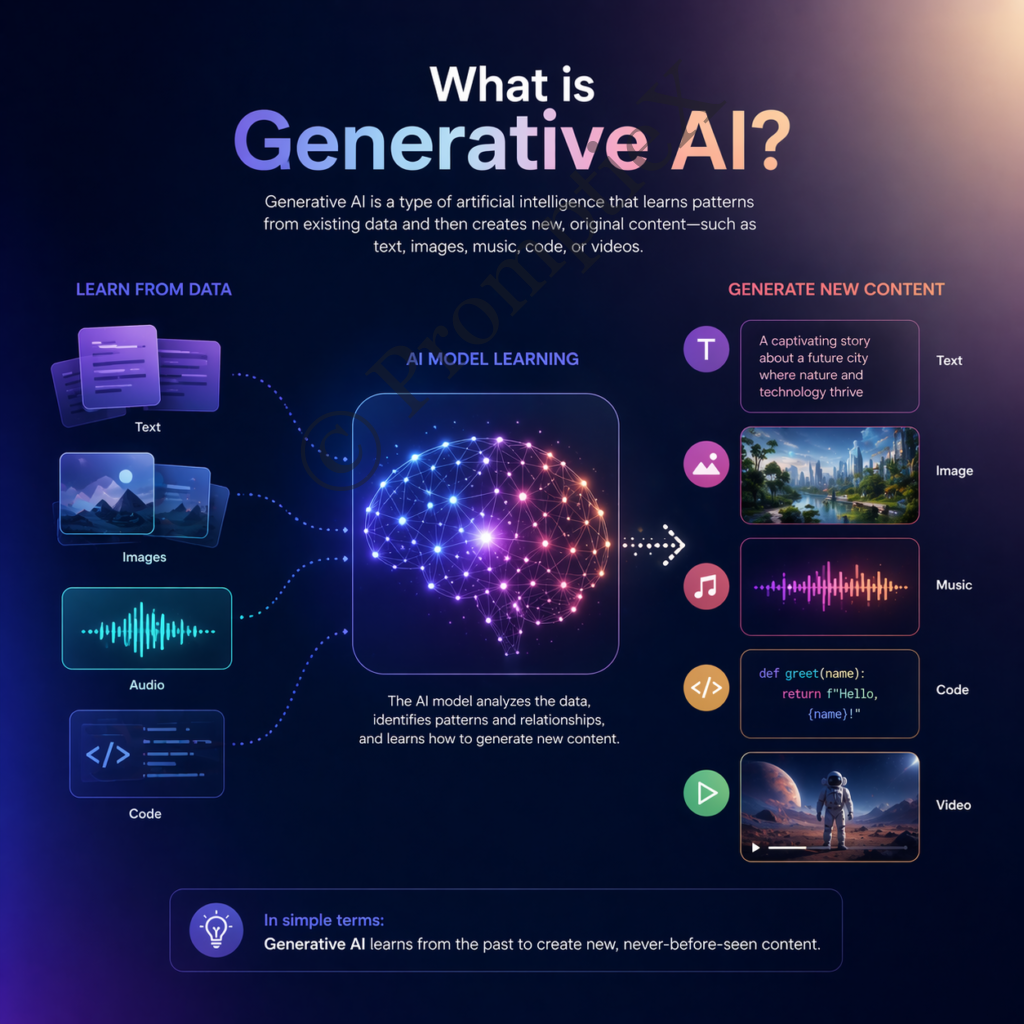
Generative AI is everywhere right now. You see it in the images people post on Instagram, in the videos going viral on TikTok, in the emails your colleagues write, and in the music playing in the background of YouTube Shorts. But most people still have a fuzzy idea of what generative AI actually is. This guide explains what is generative AI clearly, from the ground up, with no technical background required.
What Is Generative AI?
Generative AI is a type of artificial intelligence that creates new content. It can generate images, videos, music, text, code, and even 3D objects from a simple text description or prompt. You describe what you want, and the AI produces something that matches your description.
Understanding what is generative AI starts with understanding how it differs from the AI you have been using for years. When Google Maps finds the fastest route to your destination, that is AI. When Netflix suggests a show you might like, that is AI. When your email app filters spam, that is AI. But none of those systems are creating anything new. They are analyzing data and making predictions or decisions based on it.
Generative AI goes a step further. It does not just analyze. It creates. That single distinction changes everything about how it can be used and why it matters so much right now.
What Is Generative AI vs Regular AI: The Key Difference
This is one of the most searched questions right now, and the confusion is understandable because generative AI is a subset of AI, not a separate technology. All generative AI is AI, but not all AI is generative AI.
Traditional AI is built to recognize, classify, predict, or automate. Generative AI is built to produce new content that did not exist before. A few examples make the difference between AI vs generative AI clearer.
A traditional AI system can look at a thousand photos of cats and learn to identify cats in new photos. A generative AI system can look at those same thousand photos and learn to create a brand new cat photo that has never existed before, in any style, color, or setting you describe.
A traditional AI system can analyze customer reviews and tell you whether they are positive or negative. A generative AI system can read those reviews and write a completely new response to each one.
The key distinction is the output. Traditional AI classifies or predicts. Generative AI creates. Once you understand what is generative AI at this level, the rest becomes much easier to follow.
What Is Generative AI and How Does It Work?
Generative AI models are trained on massive amounts of existing content. An image generator like Midjourney or Google Flow is trained on hundreds of millions of images. A language model like ChatGPT or Claude is trained on enormous amounts of text from books, websites, and other written sources.
During training, the model learns patterns. It learns what colors and shapes appear together in photographs of forests. It learns what words tend to follow other words in well-written sentences. It learns what chord progressions appear in certain musical genres.
When you give it a prompt, the model does not search through its training data to find a match. It generates something entirely new by predicting what the output should look like based on all the patterns it has learned. This is what makes generative AI fundamentally different from a search engine.
For image generation, the most common approach is called diffusion. The model starts with random noise and gradually refines it into a coherent image that matches your description. For text generation, models predict the most likely next word or sentence given everything that came before it. This is why the quality of your prompt determines so much of the quality of the output, which is exactly why learning to write good prompts matters so much.
What Is Generative AI Used For: Real World Applications
Knowing what is generative AI in theory is one thing. Knowing what it can actually do for you is what matters most.
Generative AI for Social Media Content Creation
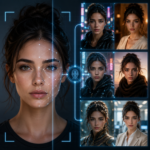
Solo creators now produce high volume, high quality visual content without a team or a budget. Horror creators generate character reference images with tools like Google Flow and animate them with Kling or Veo. Lifestyle creators generate cinematic travel imagery. Food creators produce recipe videos with consistent custom characters. The formats that perform best on Instagram, TikTok, and YouTube Shorts in 2026 are almost all generative AI assisted. You can find ready to use character reference prompts and Midjourney horror prompts on PromptieX to get started immediately.
Generative AI for Writing and Communication
Generative AI handles first drafts, edits, summaries, translations, and ideation for written work. A writer who uses generative AI for first drafts and research can produce in one hour what previously took a full day. The technology does not replace writers. It removes the friction that slows them down.
Generative AI for Design and Visual Work
Graphic designers, photographers, and visual artists use generative AI for concept exploration, reference generation, and rapid prototyping. What used to require a full photo shoot can now be explored visually in minutes before any real resources are committed.
Generative AI for Code and Development
Developers use generative AI to write, debug, and explain code. Tools like Claude and ChatGPT can produce working code in most programming languages from a plain English description. This has lowered the barrier to building software for people without formal programming backgrounds.
What Is Generative AI: The Most Important Tools in 2026
The generative AI tools landscape has grown fast. Here are the tools that lead each major category.
Generative AI Tools for Image Creation
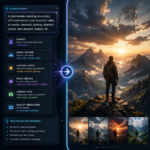
Midjourney remains the gold standard for aesthetic quality and produces consistently beautiful cinematic images. Google Flow with the Nano Banana Pro model is the best free option and supports character references for consistent outputs. Leonardo AI offers a generous free tier and works well for creators who need volume. Adobe Firefly is built into Adobe products and produces commercially safe images for professional use.
Generative AI Tools for Video Creation
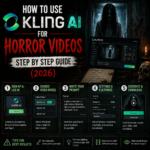
Kling AI produces some of the most realistic motion of any video generation tool available. Google Veo handles complex motion well and integrates with Google Flow. Runway ML continues to be a strong option for professional creative work. You can see how these tools are used in practice by browsing the best AI tools rankings on PromptieX.
Generative AI Tools for Text Generation
ChatGPT from OpenAI introduced most people to large language models. Claude from Anthropic handles longer context and more nuanced reasoning. Google Gemini integrates directly with Google Search and Google Workspace. All three offer free tiers that cover most everyday use cases. You can find ready to use master prompts for ChatGPT, Claude, and Gemini on PromptieX.
Generative AI Tools for Audio and Music
ElevenLabs is the leading tool for voice cloning and text to speech. Suno and Udio generate original music from text prompts and can produce full songs in almost any genre within seconds.
What Is Google Generative AI?
When people search for Google generative AI, they are usually looking for one of several products. Google has invested heavily in generative AI and has multiple offerings in this space.
Google Gemini is Google’s flagship large language model, integrated directly into Google Search, Google Docs, and Gmail. When you see AI-generated summaries at the top of Google Search results, that is Gemini at work. Google Flow is Google’s image and video generation platform built on top of several powerful models including Nano Banana Pro and Veo. It is free to use and produces results that compete with any paid tool on the market. Google DeepMind has produced some of the most significant advances in generative AI including Veo, one of the best video generation models available.
Google is one of the most active players in what is generative AI development, and its tools are among the most accessible because many of them are completely free.
Generative AI News: What Is Changing Right Now
The generative AI news cycle moves fast. Here is what matters most in 2026.
Video generation quality has improved dramatically. The gap between AI-generated video and traditionally filmed content has narrowed to the point where many viral videos on social media are fully AI-generated and viewers cannot tell the difference. Real-time generation is becoming practical, with the leading tools now generating images in under five seconds and short video clips in under two minutes. Cost has continued to fall, making the free tiers of most major generative AI tools in 2026 more capable than paid tiers were two years ago. Multimodal models that handle text, images, audio, and video within a single conversation have become standard across all the leading platforms.
What Is Generative AI: Should You Be Using It?
If you create any kind of content, write for work, build things, or communicate professionally, generative AI is worth your time to understand and use. The question is not whether generative AI will affect your work. It already is. The question is whether you are using it actively or having it used around you passively.
Starting with one tool and spending an hour experimenting is more valuable than reading any number of articles about what is generative AI in theory. Pick one of the tools mentioned in this guide, open it, and start generating.
For practical starting points, the free AI image prompt library on PromptieX covers dozens of categories including character references, horror, cinematic, travel, and business. The AI Blog and Tips section covers tutorials, prompt engineering guides, and viral video format breakdowns updated regularly. And if you want to see what generative AI looks like in practice at the highest level, follow Artiexhouse on Instagram for daily AI content from one of the most followed horror AI creators on social media.