Creator Revenue · 2026
YouTube Shorts Monetization
How Much Do Shorts Pay?
A practical YouTube Shorts monetization guide for 2026 with payout examples, RPM ranges, eligibility requirements, high-paying Shorts niches, and strategies to earn more than ad revenue.
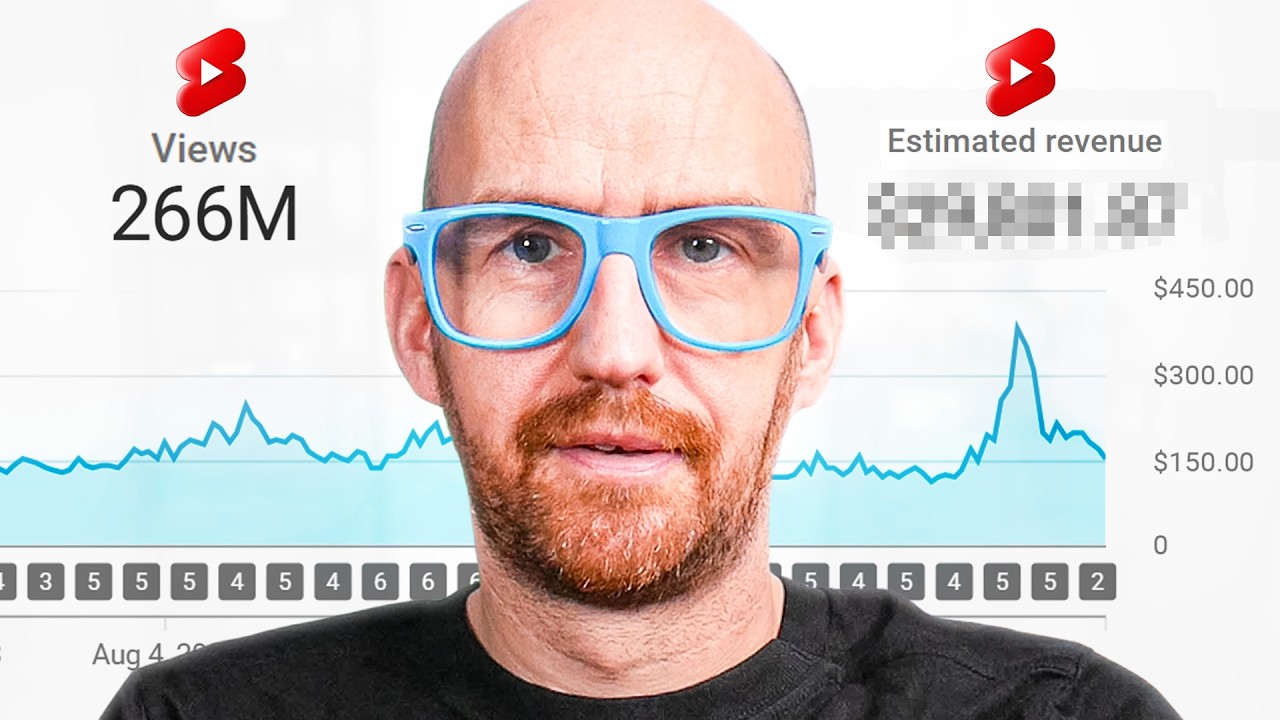
YouTube Shorts monetization in 2026 is real, but it works differently from long-form YouTube revenue. Shorts creators can earn from ads and YouTube Premium in the Shorts Feed after joining the YouTube Partner Program and accepting the Shorts Monetization Module.
The important part is that Shorts ad revenue is usually only one piece of the income stack. A viral Short can bring views and subscribers, but the smartest creators also use affiliate links, digital products, sponsors, memberships, and long-form videos to increase total revenue.
How This YouTube Shorts Monetization Guide Works
This guide gives you payout examples, RPM estimates, eligibility requirements, revenue sources, and high-paying Shorts niches. For niche selection, compare this page with our highest paying YouTube niches 2026. For content ideas, use our YouTube Shorts ideas 2026 and YouTube Shorts hooks that go viral.
For official policy details, check YouTube's Shorts monetization policies and the YouTube Creators hub. Creator RPM estimates vary, so the payout examples below should be treated as planning ranges, not guaranteed income.
What Is YouTube Shorts Monetization?
YouTube Shorts monetization is the system that allows eligible creators to earn money from ads and YouTube Premium revenue in the Shorts Feed. Unlike long-form videos, Shorts ads are shown between videos in the feed, and revenue is pooled before being allocated to eligible creators.
To start earning from Shorts Feed ads, a creator must be accepted into the YouTube Partner Program and accept the Shorts Monetization Module. YouTube says Shorts ad revenue sharing applies to eligible Shorts views starting from the date the module is accepted, so older views before acceptance do not count for Shorts ad revenue.
YouTube Shorts Monetization Requirements
The main Shorts ad revenue path is usually 1,000 subscribers and 10 million valid public Shorts views in the last 90 days. Creators can also qualify for full YPP through the long-form path of 1,000 subscribers and 4,000 valid public watch hours in the last 12 months.
There is also a lower fan-funding access tier in many regions, commonly connected to 500 subscribers and either 3 million valid public Shorts views in 90 days or 3,000 watch hours in 12 months. This tier may unlock features like channel memberships and Supers before full ad revenue sharing.
How Much Does YouTube Pay for Shorts?
Many creator reports place YouTube Shorts RPM around $0.01 to $0.06 per 1,000 views, but this is not guaranteed. RPM depends on country, advertiser demand, niche, music usage, viewer behavior, seasonality, and whether the views are eligible for monetization.
That means 1 million Shorts views might only produce a small amount of direct ad revenue. This is why creators should not treat Shorts ads as the whole business. Shorts are often more powerful as a discovery engine that leads viewers into higher-value offers, longer videos, or external products.
YouTube Shorts RPM Explained
RPM means revenue per 1,000 views after YouTube's share and other adjustments. Shorts RPM is usually lower than long-form RPM because ads are not attached to individual videos in the same way. Instead, Shorts revenue is calculated from the Shorts Feed ad pool.
A low Shorts RPM does not mean the channel is worthless. A faceless AI tools channel, for example, may earn modest ad revenue but generate strong affiliate income. A finance Shorts channel may use short videos to push viewers into longer videos with higher RPM.
Highest Paying Shorts Niches
The highest paying Shorts niches are usually the ones with valuable audiences. Finance, software, AI tools, business, real estate, career advice, marketing, and education can earn more through sponsors and affiliate links even when Shorts ad RPM stays low.
For deeper niche planning, use our highest paying YouTube niches 2026 guide. If you want to build without showing your face, combine this page with faceless YouTube channel ideas 2026.
How to Increase YouTube Shorts Revenue
The fastest way to increase YouTube Shorts monetization is to stack income sources. Do not rely only on Shorts ads. Add a related affiliate offer, create a digital product, publish long-form videos, build an email list, or pitch sponsors once a format proves demand.
- Use Shorts as discovery: Push viewers to longer videos, playlists, and related guides.
- Choose a high-intent niche: Software, AI, finance, career, and business usually monetize better.
- Build repeatable series: Series make viewers follow the channel instead of watching once.
- Add affiliate links: Tools, templates, books, and software can outperform ad revenue.
- Improve hooks: Better first seconds usually mean better retention and more distribution.
Common YouTube Shorts Monetization Mistakes
The biggest mistake is expecting Shorts ad revenue to behave like long-form revenue. A million Shorts views can look massive, but the direct payout may be much lower than expected. The second mistake is posting random content that attracts views but no buyer intent.
The third mistake is using low-effort reused or repetitive content. Faceless channels can be monetized, but the content still needs originality, useful editing, commentary, transformation, or a clear viewer benefit. AI can speed up production, but it should not replace value.
Best YouTube Shorts Monetization Strategy for Beginners
For beginners, the best strategy is to choose one niche, publish 30 to 50 Shorts, and measure which topics create subscribers, comments, and repeat views. Once a format works, turn the best Shorts into longer videos and add a simple monetization path.
A practical stack is simple: Shorts for discovery, long-form videos for higher ad revenue, affiliate links for buyer intent, and a digital product for scalable income. This gives your channel multiple ways to earn even when Shorts RPM is low.